
The Perfect Nanny
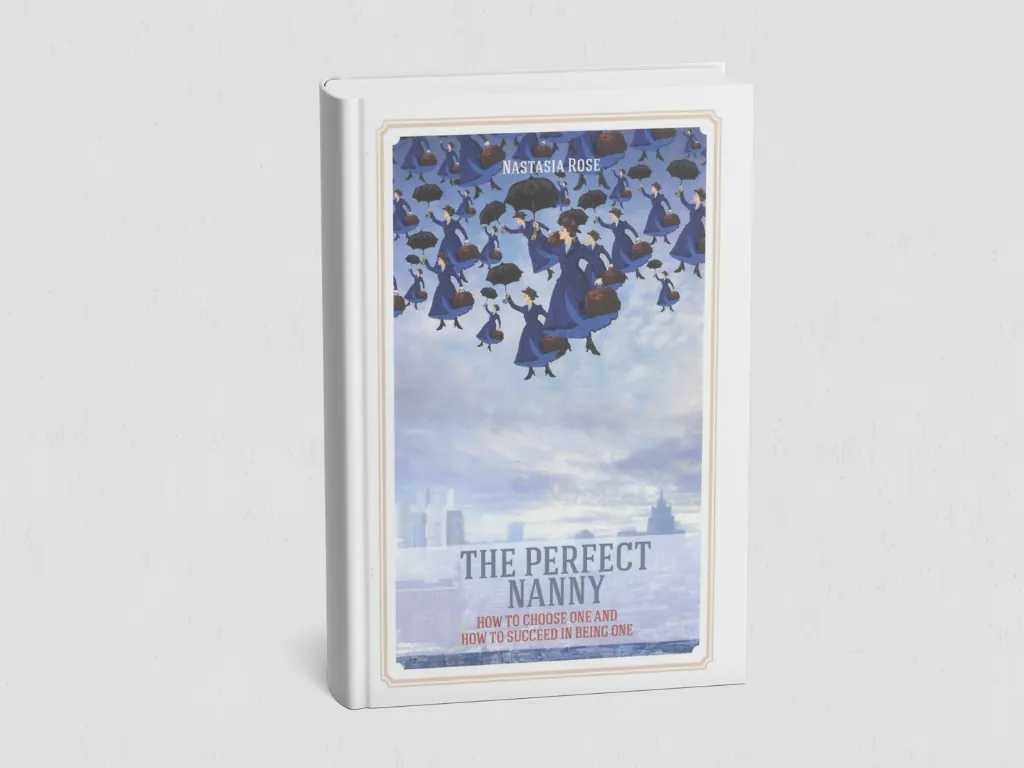
This book includes advice on choosing a nanny, building a trusting relationship, and creating a comfortable environment for your child.
It’s also valuable for nannies seeking to enhance their skills and professionalism.
How to Choose a Nanny You Can Truly Trust
When you look for a nanny, you're not just filling a job. You're choosing the person who will spend hours, sometimes whole days, with your child while you're away. There are plenty of listings, the profiles start to look the same, and at the interview every candidate smiles and says the right things. The hard part is knowing how to check a nanny's real skills and whether she'll fit your family. A wrong choice costs time, money, and stress—and, most importantly, your child's sense of security.
I'm a sociologist by training and an HR specialist, and hiring domestic staff is my professional field. In “The Perfect Nanny,” I share what helps parents find a good nanny: what to pay attention to when choosing, how to avoid common mistakes, how to build trust, and how to create a comfortable environment for your child. The book covers a range of approaches to raising children, from making a first impression on a family to planning a children's menu. Chapters end with tests, so you can check yourself and your level.
The book is written for parents—whether you're hiring a nanny for the first time or have been let down before—and for nannies themselves. If you want to know how to become a good nanny, what parents actually expect, and how to come across at a first meeting with a family, it's for you too. Readers call it a textbook for future nannies and a cheat sheet for parents.
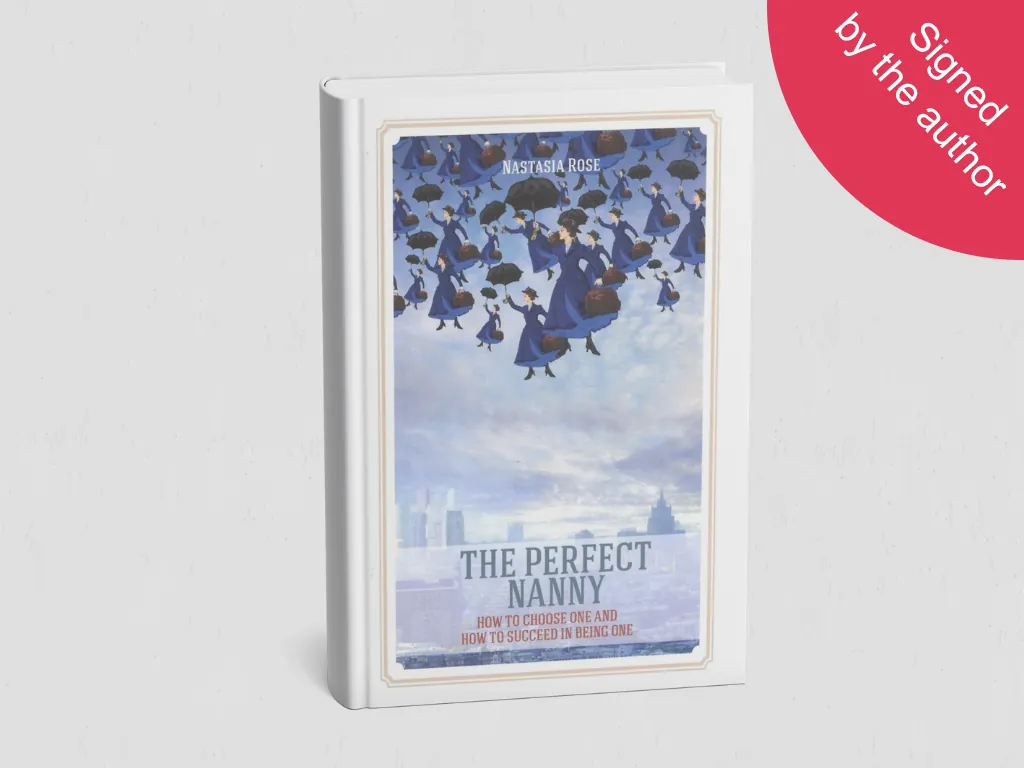
Choose the format that suits you: the print edition, the e-book (PDF) sent to your email right after payment, or a print copy signed by me—a thoughtful gift for new parents.
Frequently asked questions
How do I choose a nanny for my child?
Start with your own requirements rather than the search: your child's age, the schedule, the range of duties, whether you need experience with infants, and whether she'll live in. Then look at candidates through that lens: references from previous families, how they talk about children, and whether they can explain their decisions. Always arrange a trial day while you're home to observe. “The Perfect Nanny” covers selection criteria and common mistakes in more detail.
What questions should I ask in a nanny interview?
Ask about previous families: how old the children were, why the job ended, and whether you can call the parents. Add scenario questions: what would she do if your child spiked a fever, refused to eat, or had a meltdown in public? Ask how she feels about screen time, discipline, and playing outside in bad weather. Listen not only to what she says but how she says it: calm, specific answers with real examples are a good sign.
How can I check a nanny before hiring her?
Ask for two or three references from families she has worked for and speak with them yourself about reliability, punctuality, and why they parted ways. Verify her ID and, where it's available and permitted in your area, consider a background check. A trial day or week with you present will tell you more than any résumé. And watch your child: if they're calm and happy after time with her, that's a good sign.
How do I become a good nanny?
A good nanny stands out not only through love for children but through professional conduct: punctuality, tact, and respecting the parents' rules even when you'd do things differently. It also helps to understand age-specific needs and keep a child meaningfully engaged. “The Perfect Nanny” includes guidance for nannies themselves, plus tests at the end of chapters so you can check your own level.
What formats is “The Perfect Nanny” available in?
The book comes in three formats: a print edition, an e-book (PDF), and a print edition signed by the author. The PDF reads comfortably on a computer, tablet, or phone. The print edition is handy for margin notes and makes a nice gift. The signed copy is personally autographed by Nastasia Rose—a lovely way to surprise new parents or a nanny you know.
How do I get the PDF, and do you ship print copies?
Right after you pay for the e-book, a link to the PDF is sent to your email—no waiting. If you don't see it in your inbox, check your spam folder. Print copies ship within Russia and to other countries. Shipping costs depend on your location, and we'll tell you the cost before your order ships. Once it's on its way, you'll receive a tracking number.